Buyer's Guide · Chapter 8 of 15
Heating Systems
Electric heaters, dual heaters, heat pumps, and what it takes to keep a large body of water warm year-round.
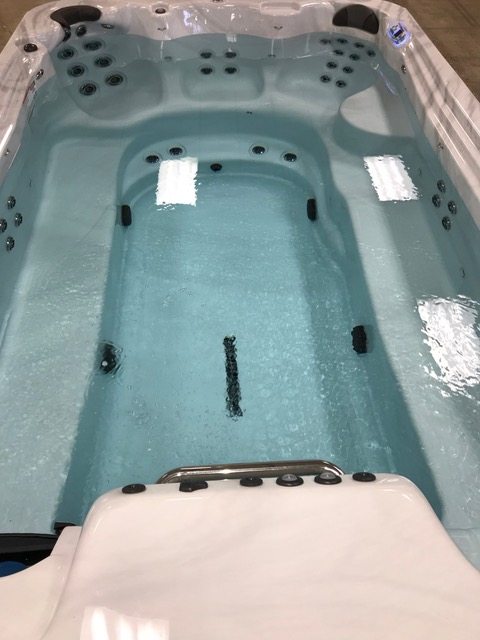
Heating a swim spa is a bigger job than heating a hot tub — there's more water, and on a dual-temperature unit you may be heating two zones. The heater you choose (and how the unit is designed around it) affects how quickly the spa warms, how steadily it holds temperature, and how much you pay to keep it there.
Electric resistance heaters
The standard heater is an electric element, much like a large water heater, controlled to hold a set temperature. It's reliable, well-understood, and works anywhere you have adequate electrical service. The main consideration is capacity relative to the water volume and your climate: a single modest heater may struggle to keep a large swim spa warm through a cold snap, which is why some units offer dual heaters or higher-output elements.
Heat pumps
A heat pump moves ambient heat into the water instead of generating it directly, which can make it several times more efficient than a resistance element under the right conditions. The trade-offs are a higher purchase price and reduced efficiency as the air gets very cold — so heat pumps shine in mild and moderate climates, and are sometimes paired with a resistance heater as backup for cold days. If running cost is a priority and your winters aren't brutal, ask whether a heat pump option exists.
Dual heating and dual-temperature units
Dual-temperature swim spas keep two zones at different temperatures, which generally means more heating capacity and more energy use than a single-zone unit. If you're considering one, ask specifically how each zone is heated and what that does to running cost.
| Heater type | Upfront cost | Running cost | Best for |
|---|---|---|---|
| Electric resistance | Lower | Higher | Any climate; simple and reliable |
| Heat pump | Higher | Lower (in mild/moderate climates) | Efficiency-focused buyers |
| Dual / hybrid | Higher | Varies | Large or dual-temperature units, cold climates |
Ask about recovery, not just maximum temp
Heat-up and recovery time tells you how the spa behaves in real use — for example, swimming in cooler water, then warming the spa zone. Ask how long the model takes to recover several degrees, and how it performs on the coldest days where you live.
Heating and insulation are a package deal
The best heater can't overcome poor insulation — it'll just run more. Evaluate the two together, and remember a good cover is part of the equation.
Heat moves through the same plumbing that drives your swim and jets. That hardware is next.
Dig deeper on energy & running costs
HotTubInsider.com breaks down energy efficiency for hot tubs and swim spas in more detail.