Technology
Swim Current Technology Explained: Jets vs. Propeller vs. Paddlewheel
The current is the heart of a swim spa. Here is how each propulsion type actually feels to swim against.
›On this page
The current is the soul of a swim spa. Everything else — the seats, the cabinet, the jet count — is secondary to whether the moving water is something you'll enjoy swimming against for years. This article goes deeper than the guide chapter: how each system feels, what to test, and how to see past the marketing.
What makes a current feel good
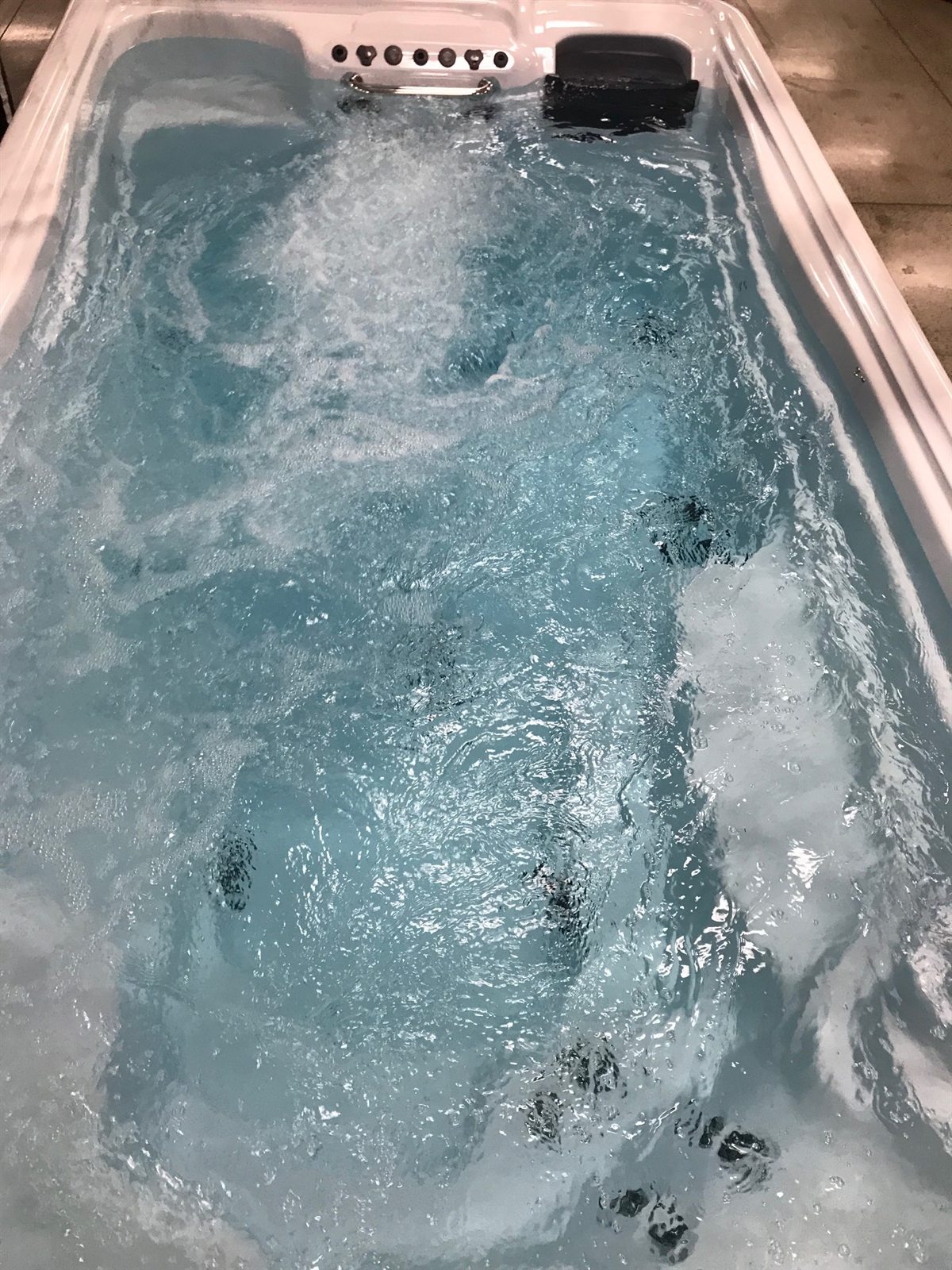
A great swim current feels like a wide, deep, smooth wall of moving water that meets your whole body evenly and lets you settle into a steady position. A poor one feels narrow, choppy, or aerated — a turbulent jet of bubbly water that shoves unevenly, makes you drift side to side, and tires you out fighting the chop rather than swimming. The difference is night and day, and it barely shows up on a spec sheet.
The three systems, by feel
Jet propulsion pushes water through jets. It's the most common and affordable, and a refined jet system can swim well. But because the energy comes through concentrated nozzles, lower-quality designs can feel narrow and turbulent, often with entrained air. Look for systems engineered to blend the flow into a smooth column rather than a raw blast.
Propeller systems spin a submerged propeller to move a large, wide volume of water smoothly. Many swimmers find the broad, even flow closer to open-water swimming and easier to stay centered in. Common at the performance end.
Paddlewheel systems rotate a drum of paddles to push a deep, wide, exceptionally smooth column — often described as the most pool-like feel. Typically premium, and beloved by dedicated lap swimmers.
| System | Flow character | Tends to suit | Market tier |
|---|---|---|---|
| Jet propulsion | Narrower; can be turbulent/aerated | Casual to moderate swimmers | Entry–mid |
| Propeller | Wide, smooth | Regular / serious swimmers | Mid–premium |
| Paddlewheel | Deep, wide, very smooth | Dedicated lap swimmers | Premium |
Why horsepower is a trap
Marketing leans on pump and motor numbers because they're easy to print and sound impressive. But horsepower describes energy input, not how the water feels. A high-horsepower jet can still be narrow and choppy; a well-designed system can swim beautifully on less. Ask about flow shape and smoothness — and then go feel it.
How to test-swim properly
A real test, not a demo
Swim at the pace and duration you actually intend — minutes, not seconds. Check whether the flow hits your whole body evenly, whether you drift forward/back or side to side, whether the surface is choppy at your face, and whether you're swimming or fighting turbulence. Try a few speed settings. This single test tells you more than every brochure combined.
If you can't test-swim
Lean on the current type, ask the dealer for video of someone swimming a sustained interval (not a 5-second clip), and read owner reviews that describe the swim specifically. When in doubt, favor systems known for smooth, wide flow.
Choosing largely for fitness or therapy? Pair this with swim spas for fitness, therapy & rehab and avoid the pitfalls in swim spa buying mistakes.
Get the free Hot Tub & Swim Spa Buyer’s Guide
Our sister site, HotTubInsider.com, offers a free buyer’s guide plus brand and dealer directories — the natural next step once you have the fundamentals down.