Installation
In-Ground vs. Above-Ground Swim Spa Installation
A swim spa can be set on a pad or sunk into the ground. Here is the cost, access, and maintenance trade-off.
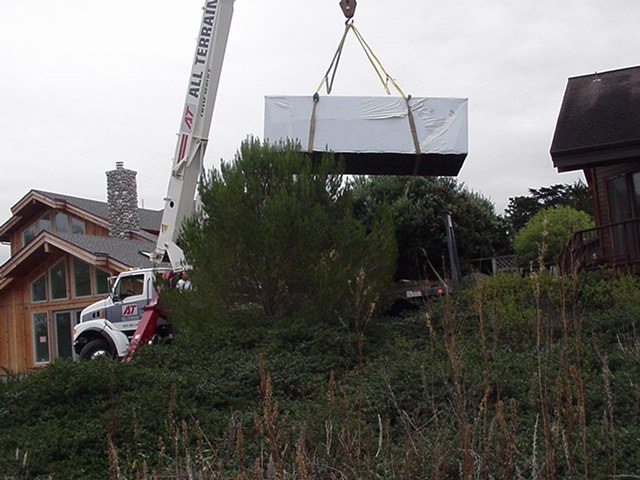
A swim spa can sit on top of the ground or be sunk into it, and the choice is mostly about looks versus cost and access. Both work well when done right. This article lays out the trade-off so you can decide before you pour a pad or dig a hole.
Above-ground
The unit rests on a reinforced pad at grade. This is the most common approach for good reasons: lower cost, simpler delivery, and easy service access — a technician can remove a panel and reach the equipment without excavation. The look is more utilitarian, though decking, skirting, and landscaping can dress it up nicely.
In-ground (or partially recessed)
Here the spa is set partly or fully into the ground for a seamless, pool-like appearance that integrates with patios and landscaping. The trade-offs are real:
- Higher cost for excavation, structural surround, and finishing.
- Drainage planning so water doesn't pool around or beneath the unit.
- Service access is the big one: the equipment bay must remain reachable. A fully boxed-in install can turn a routine pump repair into a costly excavation. Good in-ground designs build in an access well or removable surround from day one.
| Factor | Above-ground | In-ground |
|---|---|---|
| Installed cost | Lower | Higher |
| Appearance | Visible unit | Built-in / pool-like |
| Delivery & install | Simpler | More involved |
| Service access | Easy | Must be designed in |
| Drainage needs | Minimal | Important |
Plan equipment access first
The most common in-ground regret is burying the equipment bay with no easy way back to it. Before committing, confirm exactly how a technician will reach the pumps, heater, and plumbing years from now — and budget for an access well or removable panel.
A middle path: partial recess
Partially recessing the spa — sinking it a foot or two with a deck or coping around the rim — can give much of the built-in look while keeping cost and access more manageable than a full in-ground install. It's a popular compromise.
Whichever you choose, get the foundation, electrical, and delivery right, and confirm your manufacturer permits the installation type without voiding the warranty.
Get the electrical & site-prep details
HotTubInsider.com covers electrical requirements and site preparation step by step.
Keep reading
Installation
Best Swim Spa Placement & Installation Options
Patio, deck, indoors, or in-ground — the pros, cons, and prep work for each way to install a swim spa.
Installation
Swim Spa Electrical & Delivery Prep
Power requirements, the electrician’s role, access for delivery, and craning — what to sort out before delivery day.